Writing
I write the things I needed and could not find.
That is true of all three of my books, and I did not notice it until someone pointed it out to me.
There was no liturgy for queer Jewish life, so we made one. There was no honest account of what two pandemics teach you about courage, so a friend and I wrote it. There was very little serious work on women’s religious authority across traditions, so we edited the book that was missing.
None of it started as a publishing plan. Each one started as a gap I kept walking into.
The Books
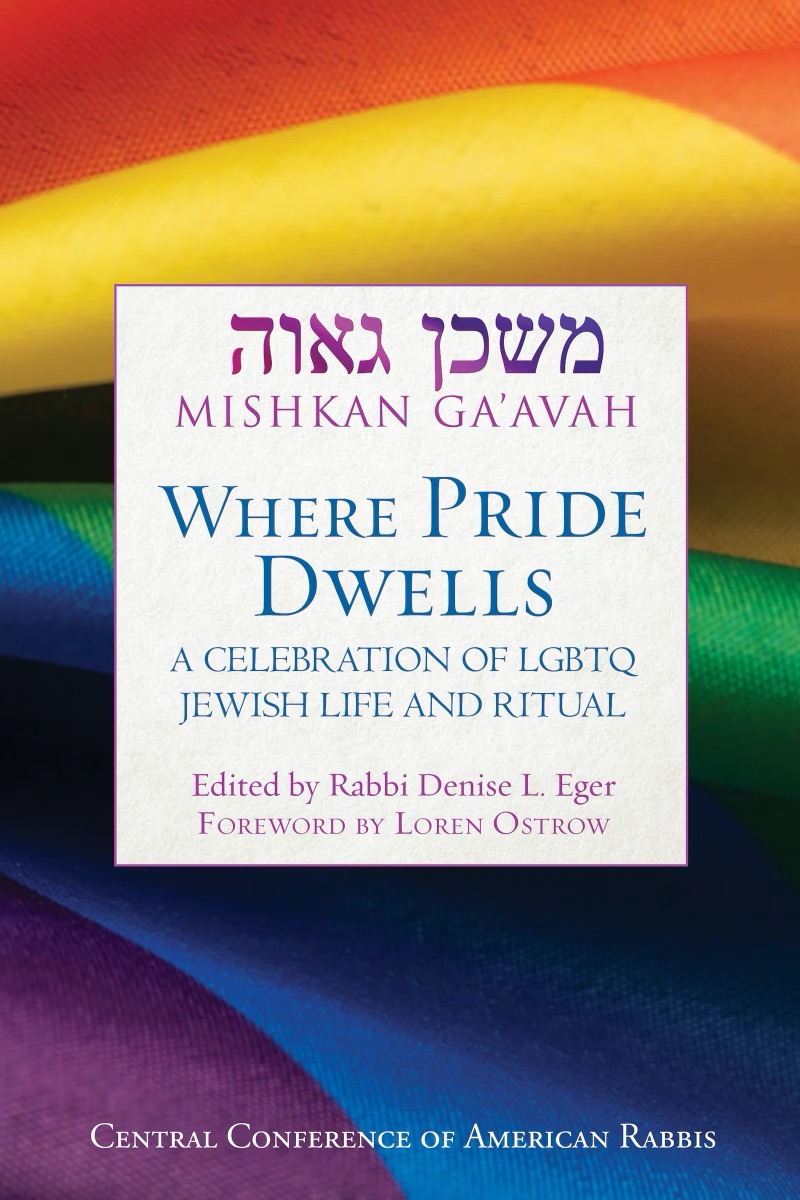
Mishkan Ga’avah: Where Pride Dwells
A Celebration of LGBTQ Jewish Life and Ritual
For most of Jewish history, queer Jews stood in rooms whose words were not written for them. This book is the answer to that: prayers, poems, blessings, and ritual for a life the liturgy had never named.
It is now used in congregations across the country: at Pride Shabbat, at weddings, at namings, and in the ordinary weeks when someone simply wants to hear themselves included.
There is a companion study guide, and it is free. It was written so a congregation can actually teach the book rather than only own it, for adult education, a clergy study session, or a lay-led group.
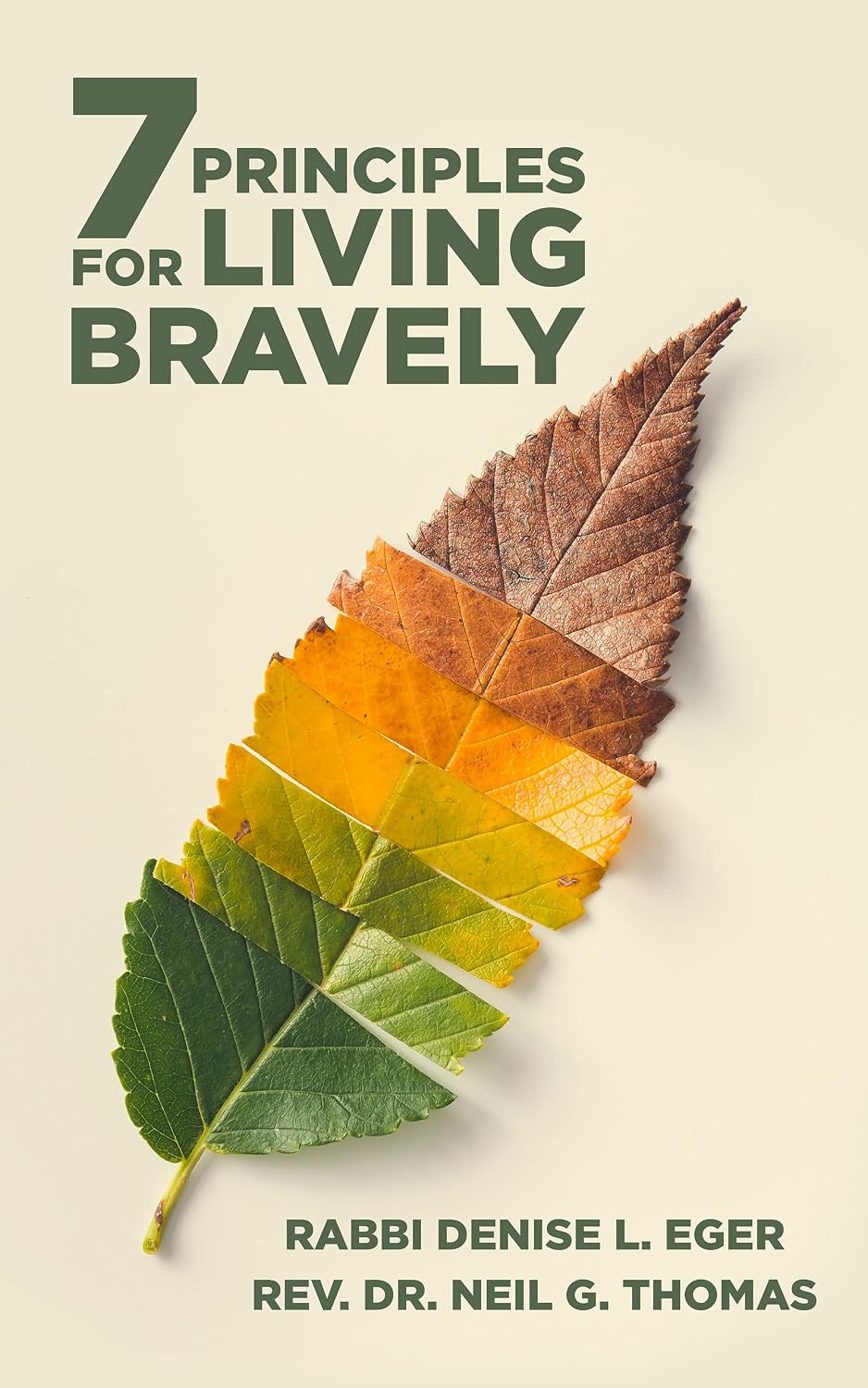
7 Principles for Living Bravely
Ageless Wisdom and Comforting Faith for Weathering Life’s Most Difficult Times
Neil and I met in the early years of HIV/AIDS and buried a great many people together before either of us was old enough for it. Thirty years later we were doing it again, in COVID, on the phone at night.
This book came out of those two seasons and out of a long friendship across Judaism and Christianity. It is not a book about optimism. It is about what actually holds when the thing you feared has already happened. That is a different subject, and the only one either of us felt qualified to write about.
Courage and resilience are not abstractions for me. They are lived.
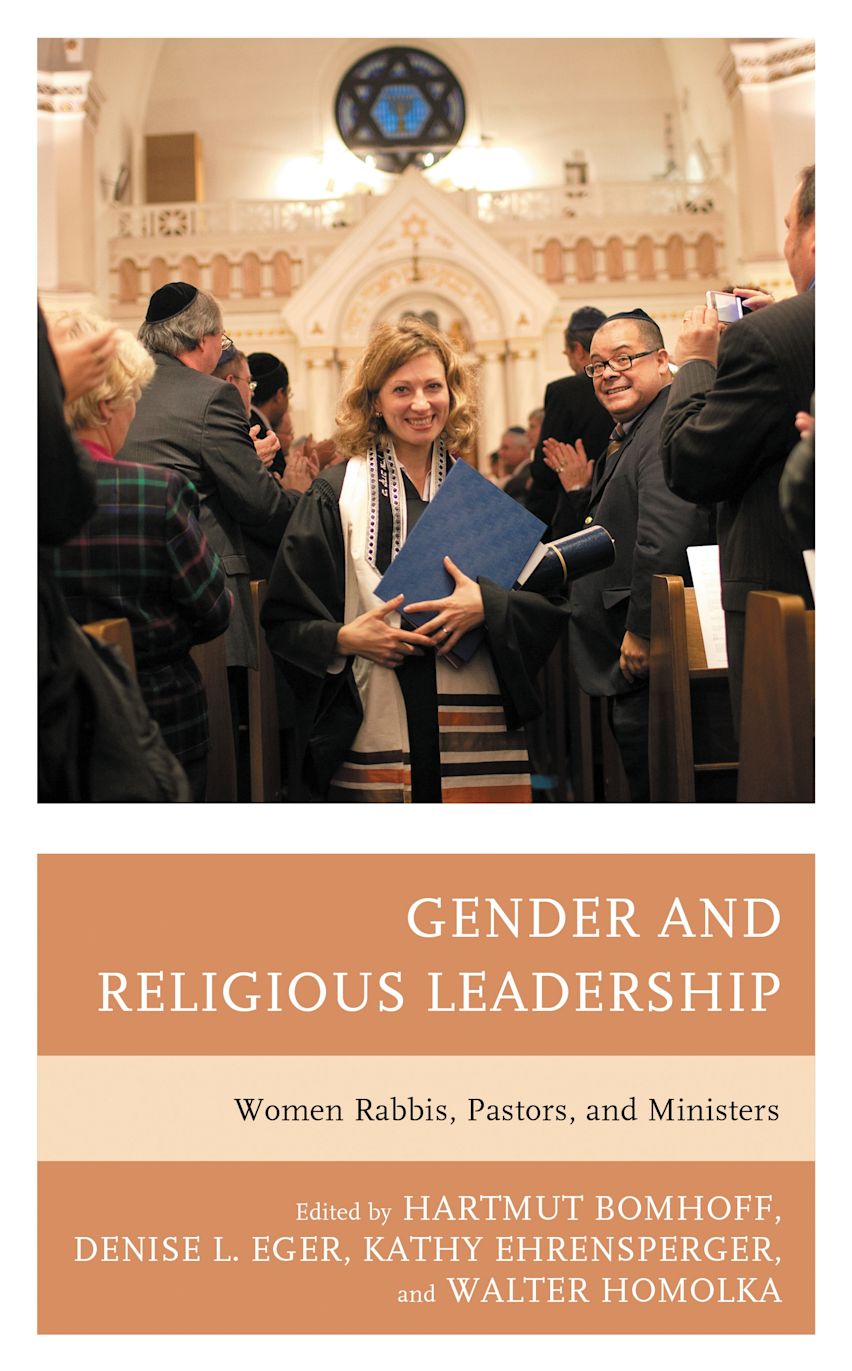
Gender and Religious Leadership
Women Rabbis, Pastors, and Ministers
Women have been leading congregations long enough that the novelty has worn off, and long enough that the harder questions have arrived about authority, about who is believed, about what changes in an institution when the person at the front of the room is a woman and what stubbornly does not.
This is a scholarly volume across Judaism, Christianity, and the traditions in between. It is the book I wanted when I was the first woman elected to lead the Southern California Board of Rabbis and had nobody to ask.
Chapters and Essays
I have contributed to something close to twenty volumes over thirty-five years: Torah commentary, LGBTQ Jewish history, trauma and communal response, ethics, leadership.
Some of it is scholarship. Some of it was written because a subject needed a rabbi’s name on it at a moment when that was not a comfortable thing to lend.
Op-eds and Public Writing
I have spent as many hours in city council chambers as in seminar rooms, and some arguments belong in a newspaper rather than a journal.
On leadership and the institutions themselves, I write in eJewish Philanthropy, most recently on the stakes of the World Zionist Congress election, and earlier on what our communal institutions keep getting wrong about professional practice.
On the public square, recent pieces have run in the Austin American-Statesman and the Dallas Voice, and I write for RavBlog at the Central Conference of American Rabbis.
Recent Writing
Shorter things, written as I go: what I am seeing in the leaders I work with, what a text is doing that I had not noticed before, and occasionally a straightforward argument about something happening now.
Elsewhere
I talked with Rabbi Ari Averbach on the Moral Courage podcast about pride, fear, and what moral courage actually costs.
Interviews, features, and video are on the Press page.